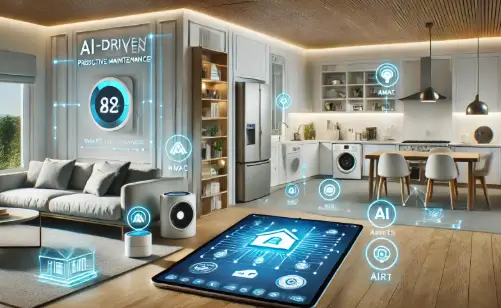
AI-driven home automation interprets sensor data, preferences, and context to automate tasks, optimize energy use, and maintain user autonomy. It learns routines to forecast needs and enables proactive adjustments with on-device inference that protects privacy. The approach requires transparent data practices, interoperability, and robust security. Balancing convenience with privacy and safety remains challenging as systems evolve. The next considerations—implementation choices and evolving modular setups—will shape how these principles are applied in practice.
What AI-Powered Home Automation Actually Does
AI-powered home automation systems interpret sensor data, user preferences, and contextual cues to automate everyday tasks without explicit commands. They optimize energy use, enhance safety, and streamline routines while preserving user autonomy. However, adherence to AI ethics and data minimization principles is essential. Smart scheduling and device interoperability must be prioritized to prevent vendor lock-in and ensure transparent, privacy-respecting operation.
How AI Learns Your Routines and Adapts
Home automation systems move beyond static rules by modeling user behavior through data about when and how devices are used. AI analyzes patterns to forecast needs, schedules, and resource use, enabling proactive adjustments. This process emphasizes Routine learning while preserving AI privacy through selective data handling and on-device inference. Decisions balance efficiency with user autonomy and transparent adaptation.
Balancing Convenience With Privacy and Security
The analysis emphasizes transparency, data minimization, and clear consent to reduce privacy tradeoffs.
It also specifies robust security risks management, including regular updates and access controls.
Policymakers should foster informed choice, while designers ensure verifiability, accountability, and user empowerment without compromising functionality.
Choosing, Implementing, and Evolving an AI Home Setup
How should households choose, implement, and evolve an AI-driven home setup in a way that maximizes utility while mitigating risk? The analysis emphasizes transparent governance, modular deployment, and ongoing evaluation. Priorities include smart scheduling, energy forecasting, privacy tradeoffs, and device interoperability. Clear standards enable adaptability, while safeguards limit bias and data exposure, supporting freedom through informed, persistent optimization.
See also: What Is Ripple (XRP)?
Frequently Asked Questions
Can AI Predict Household Needs During Power Outages?
AI can assist forecasts during power outages, though accuracy varies; entities pursue AI outage prediction using sensor data, grid signals, and consumption patterns. Multilingual voice assistants facilitate alerts, while safeguards ensure privacy and user autonomy in decision-making.
How Does AI Handle Multiple Languages at Home?
AI systems handle multilingual home use by enabling multilingual voice assistance and predefined language switching workflows, enabling seamless transitions across languages while preserving user privacy, control, and customizable settings for a policy-driven, concise, freedom-oriented approach.
Do AI Systems Require Ongoing Subscription Fees?
Like a price-tagged breeze, subscription costs vary; some AI systems require ongoing fees, others are one-time. The policy emphasizes transparency and data ownership, noting users should understand licenses, terms, and whether data remains theirs or is shared.
Can AI Optimize Energy Use Without Compromising Comfort?
AI can optimize energy use without compromising user comfort, achieving energy efficiency while preserving experiential satisfaction; implementations balance dynamic sensing, adaptive controls, and transparent policies to align system performance with user autonomy and decision-making preferences.
What Happens to Data When I Sell My Home?
Sell house transfers data ownership considerations to new occupants; privacy implications depend on contracts, devices, and vendors. Data ownership rests with the seller unless explicitly transferred. Regulators suggest clear deletion or data-handling disclosures for responsible privacy protections.
Conclusion
AI-powered home automation offers proactive comfort while prioritizing privacy, security, and interoperability. By minimizing data shared outside the home and enabling on-device inference, systems can forecast needs without compromising autonomy. An illuminating statistic: households deploying AI-enabled automations report up to a 25% reduction in utility waste due to adaptive scheduling. Policymaking should emphasize data minimization, transparent consent, and modular interoperability to sustain user trust as technologies evolve and scale.